

Core Returns: What You Need to Know
When you purchase a remanufactured heavy-duty truck transmission, differential, or steering gear from Allied Powertrain Group, the core is an important part of the process. Returning the correct core in acceptable condition helps ensure a smooth core credit and supports the remanufacturing cycle that keeps quality replacement powertrain components available.
Understanding our heavy-duty core return requirements before removing, inspecting, and shipping your core can help prevent unexpected deductions and avoidable delays.
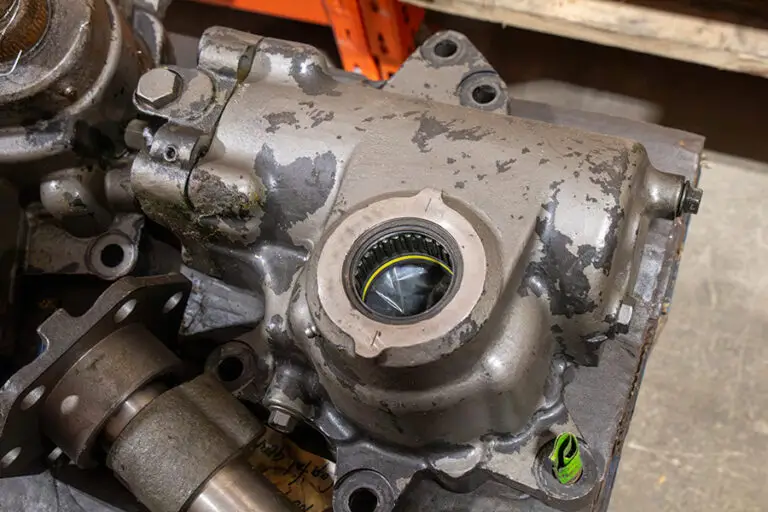
Inspect Your Core Before You Return It
Every returned core is subject to a visual inspection by Allied Powertrain Group. The condition of the core can affect the amount of credit available, so we recommend inspecting the unit before it is packaged and returned.
A core should always be returned, even if you are unsure about its condition. Some cores that initially appear damaged or incomplete may still have core value following further inspection.
What Our Inspection Looks For
Our core inspection process considers the overall condition of the returned unit, including visible damage, missing or mismatched components, contamination, corrosion, improper repairs, and damage that may have occurred during shipping.
The specific requirements vary by component.
Don't Assume a Damaged Core Has No Value
A core that isn’t in perfect condition does not necessarily have zero value. Allied Powertrain Group recommends returning all cores because some may retain core value following inspection.
However, certain conditions can result in substantial deductions or no core credit. For that reason, inspecting your core before returning it is one of the best ways to understand what to expect from your core credit.
If you’re unsure about the condition of a core, contact Allied Powertrain Group before returning it. Our team can help you determine the appropriate next step.
Core Return Eligibility
Cores must be returned to Allied Powertrain Group within 12 months of purchase for the differential and transmission policies provided.
Unlike cores are not accepted unless prior arrangements have been made with the Core Manager.
Unacceptable cores may be disposed of within two weeks of notification, so it is important to address any questions about a core promptly.
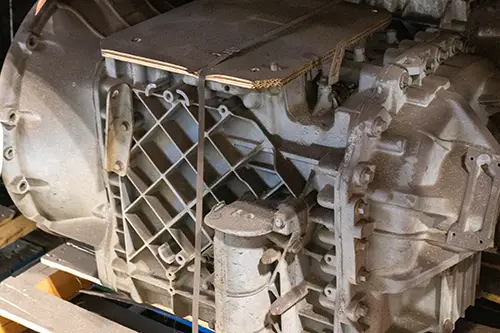
Transmissions
For heavy-duty transmission cores, deductions may apply when the unit has:
- Visible cracks, broken sections, bulges, or holes
- Severe shock-load damage
- Severe contamination, rust, or corrosion
- Welded or burnt-up areas
- Mismatched or missing components
- Damage resulting from improper packaging or skidding during transit
Severely contaminated, corroded, or burnt-up units may receive no core credit.
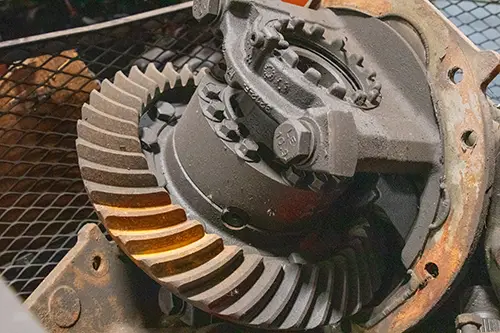
Differentials
For heavy-duty differential cores, deductions may apply for conditions including:
- Visible cracks, broken areas, bulges, or holes
- Side adjusters that are pushed out or missing
- Bearing failure resulting in spigot bore damage
- Damaged internal components, including welded spigot bores, excessive welds, cracked inner cases, or adjustment ring and cup damage
- Severe contamination, rust, corrosion, or burnt-up units
- Mismatched or missing components
- Visibly damaged or broken carrier caps
Severely burnt units caused by improper lubrication, fire-damaged units, and differentials with severe rust from prolonged weather exposure may receive no core credit.
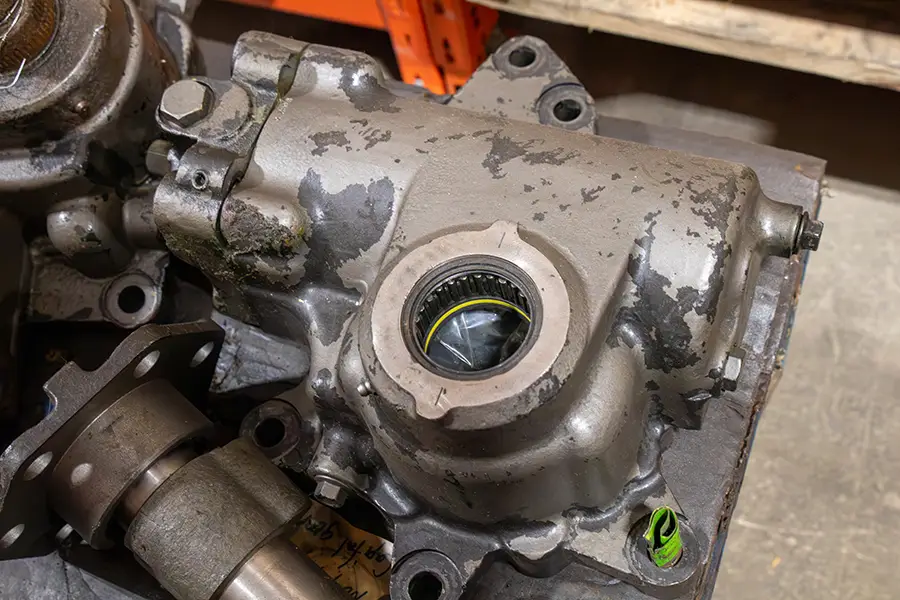
Steering Gears
For heavy-duty steering gear cores, inspection includes the housing, mounting areas, input and output shafts, and overall operating condition.
Deductions or loss of core credit may result from:
- Broken, cracked, or welded housings
- Damaged mounting areas
- Sheared, broken, cracked, twisted, or welded input or output shafts
- Evidence of accident damage
- A steering box that does not turn, including disconnected or excessively stiff shafts
- Severe contamination, rust, corrosion, or burnt-up units
- Disassembled steering gears
Steering gear cores that are not drained or are packaged improperly and subsequently damaged during transit may also be subject to a chargeback. Unlike cores are not accepted unless prior arrangements have been made with the Core Manager.

Package Your Core Properly
Core condition is only part of the return process. Proper preparation and packaging are also important.
Cores that are not properly skidded or packaged and are damaged during transportation may be subject to an automatic chargeback. This applies to differential and transmission cores, while steering gear cores that are not drained and/or are improperly packaged may also incur a chargeback.
Before shipping your core, make sure it is:
- The correct core for the replacement unit
- Properly drained where applicable
- Complete with the required components
- Securely packaged for transportation
- Properly skidded where required
- Protected from damage while in transit